
Property Investment Specialists at DD Group • Sep 24, 2025
Property Investment Specialists at DD Group
•June 23, 2026
Emaar Extension Fees in Dubai: New GFA Rules for Villas and Townhouses
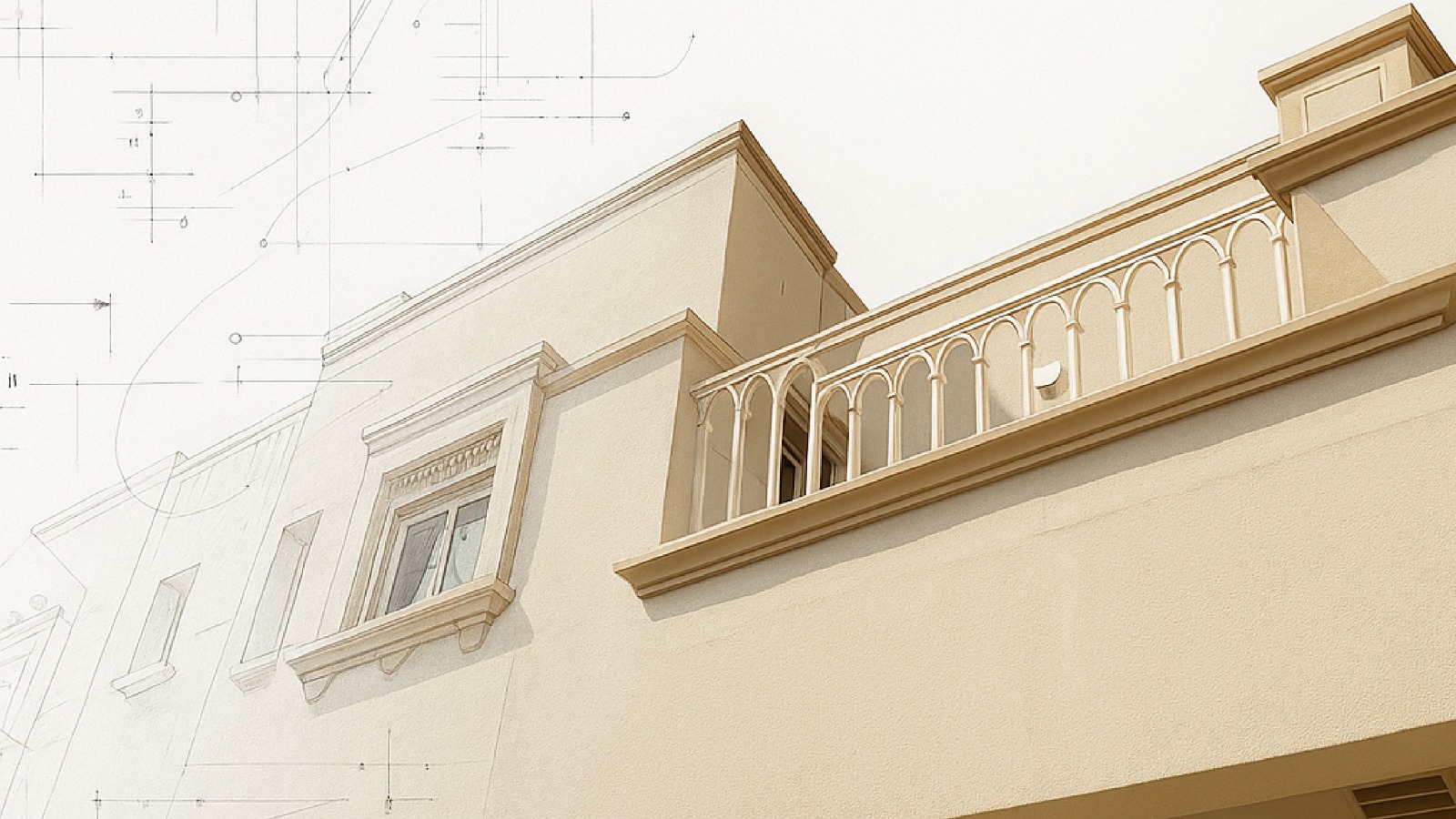
Emaar has updated the way Gross Floor Area fees are applied to villa and townhouse extensions in Dubai and many homeowners are still unaware of how significant this change could be.
Previously, many villa owners understood that extensions were generally limited to a smaller increase in their home’s existing Gross Floor Area, often around 10%, subject to approval.
Now, larger extensions may be possible for certain freestanding villas. That sounds positive, until you look at the fees.
New Emaar GFA Fees for Freestanding Villas
Under the updated Emaar GFA fee framework for freestanding villas, the fee depends on the percentage increase in Gross Floor Area.
Increase in GFA - New GFA Fee
0%-10% increase - AED 1,000 per sq.ft
10%-20% increase - AED 3,000 per sq.ft
20%-30% increase - AED 6,000 per sq.ft
30% and above - AED 6,000 per sq.ft
The higher percentage brackets are subject to management approval, which means paying the fee does not automatically guarantee that the extension will be approved.
This is the part many homeowners may not realise. A small change to your extension design could move your project into a completely different fee bracket.
For example, an extension that falls within the 0%-10% range may be charged at AED 1,000 per sq.ft. But if the proposed extension increases slightly and moves into the 10%-20% range, the fee may increase to AED 3,000 per sq.ft.
For larger extensions, the fee can rise to AED 6,000 per sq.ft.
That can make a major difference to the total project cost before construction has even started
New Emaar GFA Fees for Townhouses
For townhouses, the GFA fee is currently understood to remain at:
AED 1,000 per sq.ft
This may apply to Emaar townhouse communities such as The Springs, Arabian Ranches, The Valley, and other relevant Emaar communities, subject to the specific community rules and latest developer guidelines.
However, townhouse extensions still require proper review and approval. Even if the fee structure appears simpler, the extension still needs to comply with community regulations, authority requirements, plot limitations, design restrictions and neighbouring property considerations.
What Is GFA?
GFA stands for Gross Floor Area.
In simple terms, it refers to the total built-up floor area of a property that is counted for planning and approval purposes.
When you extend your villa or townhouse, the additional built-up space may increase the property’s GFA. This is why GFA is important when planning a home extension in an Emaar community.
A villa extension is not only about available land or design preference. It also depends on what the developer allows, what the authorities approve and how much additional GFA is being added to the property.
Why the New Emaar Extension Fees Matter
The biggest issue with the updated GFA framework is that the cost of your extension can change significantly depending on the size of the proposed addition.
Many homeowners start with a simple idea:
● Add an extra bedroom
● Extend the kitchen
● Enlarge the living room
● Close part of the terrace
● Add a first-floor extension
But once these ideas are converted into actual drawings, the additional built-up area may push the property into a higher GFA bracket.
This is where early planning becomes critical.
A homeowner may think they are making a small design adjustment, but that adjustment could increase the GFA percentage enough to change the fee category completely.
This means the final cost of the project is not only based on construction. The GFA fee itself can become one of the largest cost factors in the extension.
Approval Is Still Not Automatic
It is important to understand that GFA fees do not replace the approval process.
Even if a homeowner is willing to pay the applicable fee, the extension still needs to be reviewed and approved by the relevant developer, community management and authorities.
Approval may depend on:
● Property type
● Existing built-up area
● Proposed additional GFA
● Setback requirements
● Plot size
● External elevation changes
● Structural feasibility
● Neighbouring property impact
● Community design guidelines
● Dubai Municipality requirements
This means larger extensions may be possible, but they are not automatically allowed.
The correct approach is to check feasibility before committing to full design, authority submissions, or construction.
Why Homeowners Should Check Before Starting Drawings
One of the most expensive mistakes homeowners make is starting with design before understanding the approval and fee implications.
A design may look perfect visually, but if it falls into a higher GFA bracket or conflicts with developer guidelines, the homeowner may need to revise the design later.
This can lead to wasted time, additional consultant fees, delayed approvals and unexpected cost increases.
Before starting a villa or townhouse extension, homeowners should first understand:
1. How much GFA they currently have
2. How much additional GFA they want to add
3. Which fee bracket the project may fall into
4. Whether the proposed extension is likely to be approved
5. Whether the design can be adjusted to reduce unnecessary cost
6. Whether the extension still makes financial sense
This is especially important for homeowners extending for resale value, rental return or long-term family use.
A bigger extension is not always the smarter decision. Sometimes a more efficient design can deliver better value while avoiding unnecessary cost.
How DD Group Helps With Emaar Villa Extensions
At DD Group, we help homeowners understand what may be possible before they spend money on detailed drawings, approvals, or construction.
Our team handles design, approvals, project management and construction through one accountable in-house team.
For Emaar villa and townhouse extensions, we can assist with:
● Initial extension feasibility
● GFA review
● Design planning
● Developer approval coordination
● Dubai Municipality submission support
● Construction and renovation execution
● Project management from concept to completion
Because we work with developer and authority approval processes regularly, we help homeowners identify what is realistic, what may not be possible, and how the updated GFA fees could affect the overall project cost.
The earlier this is reviewed, the better.
The worst time to discover a GFA issue is after the design has already been finalised.
Planning an Emaar Villa or Townhouse Extension?
If you are planning to extend your villa or townhouse in an Emaar community, the first step is not choosing finishes or starting construction.
The first step is understanding what your property is allowed to do.
The updated GFA fee structure may create new opportunities for homeowners who want more space, but it also makes early planning more important than ever.
Before moving forward, make sure you understand the approval process, the likely GFA fee, and whether your proposed extension is financially and technically realistic.
Disclaimer: GFA fees, approval requirements, and developer guidelines are subject to change as per Emaar rules, community management regulations, and authority requirements. Homeowners should always confirm the latest applicable rules before proceeding with design, approvals, or construction.
P
Written by
Property Investment Specialists at DD Group